You want weekends in Collingwood to feel effortless, not like a second job. Between the GTA commute, winter conditions, and juggling utilities, it can feel like a lot. With the right plan, you can turn a second home into a smooth, year-round base for family time and restorative escapes. This guide gives you a practical, Collingwood-specific roadmap you can use right away. Let’s dive in.
GTA to Collingwood commute basics
Getting to Collingwood from the GTA is straightforward most days. Your plan depends on when you travel and whether you drive or choose a train-plus-bus combo.
Drive time and routes
- Typical drive time from downtown Toronto is about 1.5 to 3 hours depending on traffic, route, and season. Weekends and holidays can add time.
- Most drivers take Highway 400 north, then Highway 26 into Collingwood. Map a couple of alternates and watch for Highway 400 bottlenecks.
- In winter, check Ontario 511 road conditions before you leave so you can time your departure around weather and plows.
Transit options and connections
- If you prefer not to drive, a common route is GO Train to Barrie (Allandale Waterfront), then a regional bus or shuttle to Collingwood. Review current timetables on Metrolinx/GO Transit and Simcoe County’s regional options.
- For regional routes and updates, use Simcoe County’s transit resources.
- If you plan to park at a station, confirm rules and seasonal capacity for the lot you choose.
Smart timing to skip congestion
- Leave early Friday or later in the evening to avoid peak northbound traffic. Sunday return trips are often busiest in late afternoon.
- Keep one or two backup windows in mind for holidays and ski weekends.
- Maintain a local contact who can respond if weather or traffic delays your arrival.
Remote work readiness
- If you plan hybrid or remote work days, confirm internet availability and speeds at the address. Coverage can vary by street.
- Use the CRTC’s resources on broadband and mobile coverage and your provider’s availability tools. Consider a backup hotspot or secondary provider if uptime is essential.
Winter access and peace of mind
Collingwood operates year-round, but winter prep makes a big difference. Focus on safe access, heat, and monitoring.
Who plows what
- Municipal and provincial roads are cleared by different authorities. The Town outlines local priorities and timing. Review Town of Collingwood municipal services for current information, and check regional routes with the province.
- Before storms, plan driveway clearing. Private driveways are your responsibility or handled by a contracted provider.
Driveway and property clearing
- Hire a reliable snow removal contractor for the season. Confirm triggers, response times, and after-hours availability.
- If your home sits on a cul-de-sac or narrower street, ask about typical municipal timelines so you can plan guest arrivals.
- Keep ice melt and sand on hand. Note where snow can be safely stored on-site.
Freeze protection and monitoring
- Set predictable thermostat schedules and enable remote access if you have a smart thermostat.
- For longer absences, winterize plumbing or install an automatic water shut-off and temperature alerts.
- Stay ahead of ice dams with gutter and roof maintenance. Use local, insured trades for any roof clearing.
Emergency care and contacts
- Identify your nearest hospital and urgent care options and keep contacts visible at the cottage.
- Confirm ambulance response protocols for your address type. If you are outside town limits, make sure your driveway is accessible for emergency vehicles.
Utilities and accounts made simple
Set up utilities a few weeks before your first stay so everything is live when you arrive.
Electricity
- Electricity distribution in Ontario depends on location. If you are unsure who serves your address, start with the Ontario Energy Board’s consumer resources.
- Open or transfer your account, confirm time-of-use rates, and set up online billing or auto-pay.
Natural gas or alternate fuels
- Many Simcoe County properties are served by Enbridge Gas. Confirm service at your address.
- If the property uses propane or oil, schedule inspections and deliveries and confirm tank locations and safety requirements.
Water, sewer, and septic
- Central Collingwood often has municipal water and sewer. Establish your account and understand billing with the Town of Collingwood.
- For rural properties with a well and septic, collect recent inspection records, test water quality, and schedule regular pumping and maintenance.
Internet and cellular
- Availability varies by provider and street. Verify plans and speeds before you rely on a home office.
- Consider a signal booster if cell coverage is weak. Use CRTC guidance on coverage to compare options and plan a backup.
Waste and recycling
- Review Collingwood and Simcoe County waste rules, organics, and recycling calendars, including bag limits and special pickups. Start with Town of Collingwood services and Simcoe County programs to align your schedule.
- If the home may be vacant on pickup days, arrange a caretaker to set out and return bins.
Mail, billing, and secure access
- Set up mail forwarding with Canada Post and install a secure mailbox.
- Move all utilities and property tax to e-billing to reduce missed payments.
- Consider a smart lock or lockbox for vetted vendors, with separate guest codes and clear access logs.
Local trades and caretakers
Finding reliable help early keeps your cottage running smoothly.
Common vendors to line up
- Seasonal: snow removal, driveway sanding, roof clearing, holiday lighting.
- Building: electrician, plumber, HVAC tech, chimney or woodstove service, roofer, general contractor.
- Specialty: dock and lift service, boat winterization, lawn and landscaping.
How to vet a contractor
- Use the Town’s business resources and licensed lists when available. Start with Town of Collingwood for municipal guidance.
- For builder or warranty issues on new homes, check Tarion Warranty Corporation.
- Confirm insurance and WSIB coverage where required, ask for recent references, and get a clear, written scope and payment schedule.
- If permits are needed, confirm requirements with the Town before work begins.
Property management options
- Options range from full-service management with inspections and guest coordination to a local caretaker who visits weekly.
- For frequent guest use, discuss emergency response protocols, key handling, billing for repairs, and detailed checklists for winterization and de-winterization.
Seasonal storage, parking, and bylaws
Plan where gear, boats, and RVs will live all year. It saves time and protects your assets.
Storage options
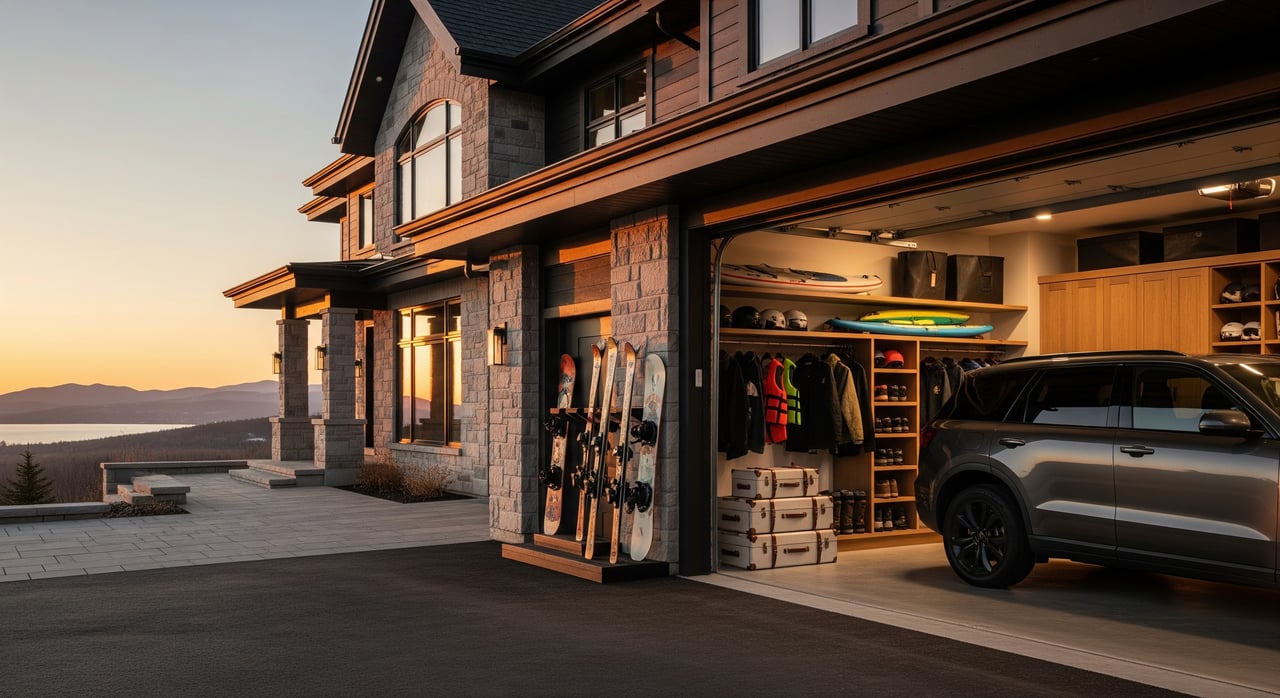
- Onsite: garage, shed, or a locked utility room. Add wall racks and a dehumidifier for skis, boards, and lifejackets.
- Offsite: self-storage units, indoor boat or RV storage, or commercial storage yards. Confirm access hours, insurance needs, and seasonal pickup windows.
Boat and RV parking rules
- Local bylaws may restrict visible storage of unlicensed vehicles or boat and RV parking on streets or driveways. Confirm current rules with the Town of Collingwood before you buy or store.
- Municipal and private marinas can have waitlists and seasonal fees. Reserve early if you plan to boat in summer.
- For shoreline or floodplain questions, consult the Nottawasaga Valley Conservation Authority.
Insurance and security
- Review your homeowner policy for vacancy clauses and coverage of stored items. Boats and RVs often require separate policies.
- Add monitored alarms, smart cameras, and motion lighting to deter theft. Coordinate alerts with your property manager or caretaker.
8-week logistics timeline
Use this simple timeline to stay ahead of the curve.
4 to 8 weeks before your first stay
- Confirm electricity, gas, and water accounts and set activation dates.
- Arrange internet installation or transfer and test speeds if possible.
- Contract snow removal and lawn care for the coming season.
- Set up property insurance and clarify vacancy rules and inspection frequency.
- Identify go-to local trades for plumbing, HVAC, and electrical needs.
1 to 2 weeks before arrival
- Run a remote HVAC test and set a heating schedule. Order propane if applicable.
- Book a cleaning and property check. Test smoke and CO detectors.
- Align waste pickup with your stay. Place bins and labels for guests.
- Stock essentials: salt or ice melt, furnace filters, batteries, and spare light bulbs.
If you will be away for weeks in winter
- Shut off exterior water or enable freeze protection on interior lines.
- Set the thermostat to a safe minimum and enable remote alerts.
- Confirm regular inspections and emergency contacts for trades.
- Secure outdoor furniture and seasonal items. Remove perishables.
Final thoughts
With clear steps and the right local contacts, your Collingwood second home can be low-stress and ready whenever you are. From commute timing and winter access to utilities and vetted trades, a simple checklist prepares you for busy seasons and bad weather alike.
If you want a trusted, local perspective on the best streets, shoreline considerations, and year-round logistics, reach out to Bryan Coxworth for guidance tailored to your goals.
FAQs
How long is the GTA to Collingwood drive on weekends?
- Plan for about 1.5 to 3 hours, with extra time during summer weekends and winter holidays. Check Ontario 511 for real-time conditions.
What are my options if I do not want to drive to Collingwood?
- Take the GO Train to Barrie and connect via regional bus or shuttle. Review Metrolinx/GO Transit schedules and Simcoe County transit resources.
Who handles snow clearing in Collingwood?
- The Town manages municipal roads based on set priorities, while private driveways are the owner’s responsibility. See Town of Collingwood services for updates.
How do I set up utilities for a second home in Collingwood?
- Identify your electricity distributor and account needs via the Ontario Energy Board, confirm gas availability with Enbridge Gas, and establish water or sewer billing with the Town of Collingwood.
What should I do about internet and cell coverage at my cottage?
- Check provider availability, test on-site when possible, and consider a backup hotspot. The CRTC’s coverage resources can help you compare options.
Where can I find rules for storing boats or RVs?
- Review local bylaws with the Town of Collingwood and plan ahead for marina storage or waitlists. For shoreline issues, consult the NVCA.