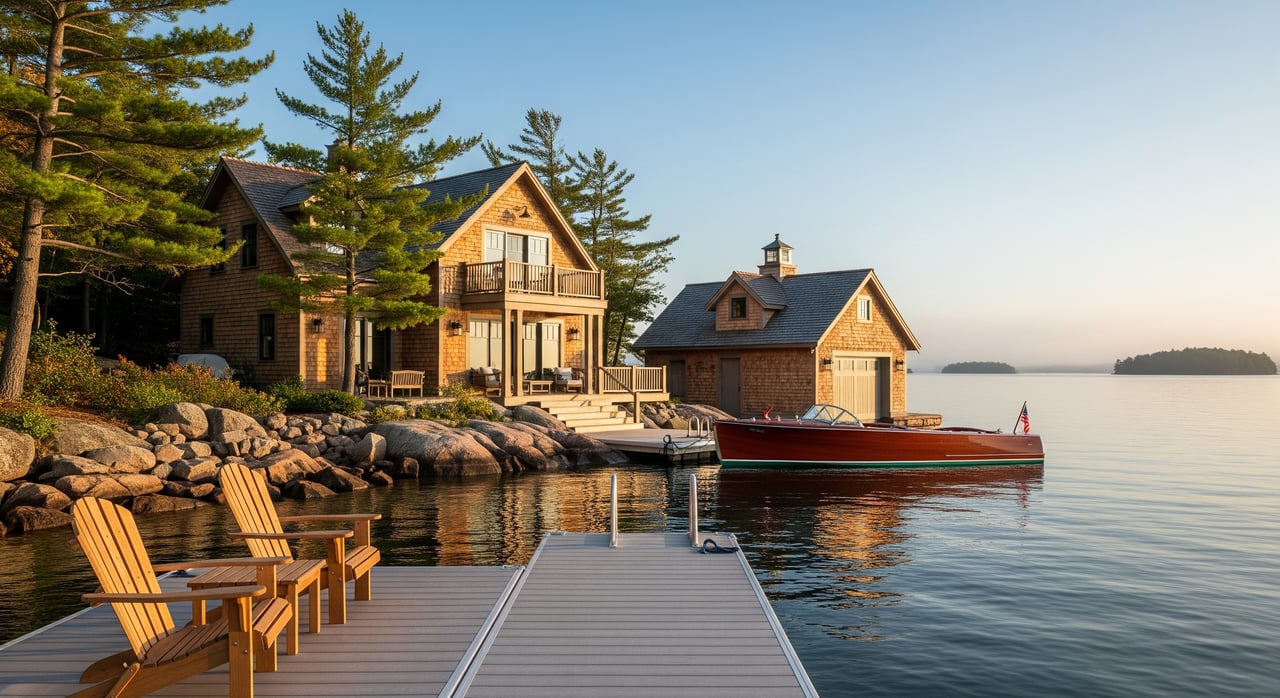
Picture your morning starting on a quiet dock, coffee in hand, watching the first boats slip through calm water. If you are considering a cottage in Honey Harbour on Georgian Bay, you want to know what daily life really feels like, not just the highlight reel. You also want the logistics, the seasonal rhythms, and the practical tips that make weekends smooth and stress-free. This guide covers day-to-day living, boating, services, rules, and costs so you can decide if Honey Harbour fits your lifestyle. Let’s dive in.
Day-to-day life on the bay
Honey Harbour is part of southern Georgian Bay’s island-speckled coastline, where water is the backdrop to almost everything you do. The pace is relaxed, the views are classic Canadian Shield, and the community is a mix of long-time cottagers, new GTA owners, and a smaller group of year-round residents.
Boating is central. Most days include a boat run, whether you are heading to a favorite bay, visiting a neighbor, or docking at a marina for lunch. You will see runabouts, bowriders, and small cruisers for longer hops, with kayaks and paddleboards ready for calm-morning paddles. Evenings often land back at the dock for swims, fishing, or a simple sunset.
Island-hopping and navigation
You can explore countless sheltered coves and the nearby islands, including public parkland like Georgian Bay Islands National Park. Navigation is part of the fun. Channels vary, shoals and shallow areas are common, and weekend traffic can pick up in narrow passes and around popular spots. Local charts, a cautious approach, and respect for slow-no-wake zones keep everyone safe.
Off-the-boat fun
There is plenty to enjoy beyond the helm. You can hike short trails on public islands, watch wildlife, or fish for bass and pike. If you plan to fish, make sure you have a valid Ontario fishing licence. Social life tends to gather around marina patios, dockside dinners, and small seasonal events.
Seasonality you can plan around
The cottage season typically runs from late May through Thanksgiving. Spring brings cool nights and black flies in some areas, while summer offers warm water and long evenings. The shoulder seasons are quieter and often more affordable for services, but some marinas and restaurants reduce hours. Winter brings ice and fewer visitors, so most seasonal owners pull boats for storage and close cottages after fall.
If you want to live full-time, you will need winterized systems, reliable access, and plans for utilities and services year-round. Some buyers choose a year-round home in nearby towns, then boat into Honey Harbour for summer.
Getting there from the GTA
Honey Harbour is a practical weekend destination. The drive from the Greater Toronto Area usually takes about 2 to 3 hours depending on traffic and your starting point. Arrivals late Friday and departures Sunday can be busier, so plan your timing. If your property is on an island, you will use your own boat or a water taxi for the last leg.
Marinas, slips and storage
Marinas are your service hubs. You can fuel up, arrange pump-outs, get repairs, book seasonal slips, and handle winter storage. Availability can tighten in busy years, so it is smart to book slips and haul-out dates early. Water levels may affect dock heights and usability, and local rules guide how docks and moorings are placed. Some owners trailer and launch each visit, but many keep a boat at a local slip to simplify weekends.
Utilities and connectivity
- Electricity: Mainland cottages typically have standard hydro. Island properties vary. Some have shore power or buried lines, while smaller islands may rely on individual solutions.
- Water and wastewater: Expect drilled wells and septic or holding tanks. Some clusters use communal systems. Plan for septic inspections and regular maintenance.
- Internet and phone: Cell coverage is fairly good in harbour zones, but it can be patchy on remote islands. Options include cellular data, fixed wireless in some areas, and satellite services. Test signal at the specific property before you buy.
- Mail and deliveries: Many owners use a local post office box in nearby towns. Parcels and supplies may be picked up on the mainland or delivered via your marina.
Supplies, services and healthcare
You can grab basics at marinas and small shops, but full-service groceries, hardware, pharmacies, and banks are in nearby towns like Midland and Penetanguishene. For healthcare, urgent care and hospital services are available in Midland at Georgian Bay General Hospital. Response times on the water can be longer than in the city, so plan for a more prepared approach to first aid and safety.
Availability for trades like marine mechanics, carpenters, and electricians tightens during spring and summer. Book ahead for projects like dock work, shoreline stabilization, and cottage openings.
Safety and emergency readiness
Water safety is a shared responsibility. Carry proper lifejackets and the required visual and sound signals, keep navigation lights in working order, and stay within posted speed and no-wake zones. A Pleasure Craft Operator Card is recommended or required for boat operation, including rentals. Fire and rescue services are available regionally with volunteer departments and seasonal marine patrols, but response can take longer than urban settings. In serious cases, air ambulance may be used.
Rules, permits and the environment
Building or altering docks, boathouses, and shorelines usually requires municipal permits, and some projects trigger provincial or federal approvals because of navigable waters and protected habitats. Confirm permit history and compliance for any property you consider. If you plan short-term rentals, check local bylaws early since some municipalities regulate and license STRs.
Georgian Bay’s water levels can fluctuate. High or low cycles affect dock access and can cause shoreline erosion. Invasive species like zebra mussels and Eurasian watermilfoil are established in parts of the bay, so clean-drain-dry practices help protect the ecosystem. Older or undersized septic systems can impact nearshore water quality, and inspections or upgrades may be required.
Property types you will see
- Mainland waterfront with road access and private docks.
- Island cottages on small or larger islands accessed by boat or water taxi.
- Clustered or condo-style marina communities with shared docks and services in select areas.
- Year-round homes in nearby towns for easier services with day boating into Honey Harbour.
As you evaluate options, consider how you will access the property in all seasons, the status of any dock or slip arrangement, the reliability of power and water systems, and the type of internet or cell coverage available. Maintenance history and winterization are key on the water.
Costs beyond the purchase price
Budget for more than mortgage and taxes. Expect ongoing costs for boat fuel, slips or moorings, marina services, utilities, septic pumping, and routine cottage upkeep. Shoreline stabilization, dock repair or replacement, and boathouse maintenance can add up over time. Insurance for waterfront properties is different from a city home and may carry higher premiums or specific requirements for winterization and occupancy.
Is Honey Harbour a fit for your lifestyle?
If you love boating, quiet mornings, and day trips across island-dotted waters, Honey Harbour delivers that classic Georgian Bay experience. It is close enough for weekenders from the GTA, yet it feels a world away. The tradeoff is accepting water-first logistics, a strong seasonal rhythm, and the need to plan ahead for services and safety. When you have the right systems and support, the routine becomes second nature.
Quick buyer checklist
- Test access: Drive the route on a weekend and a weekday. If boat access is required, do a round-trip launch and docking run.
- Confirm dock or slip: Verify whether docking or mooring is deeded, leased, or dependent on marina availability.
- Inspect systems: Check hydro setup, septic and well status, and winterization details.
- Check internet and cell: Test coverage on-site and confirm options like cellular, fixed wireless, or satellite.
- Review permits: Confirm building and shoreline permits, conservation authority requirements, and any past approvals.
- Assess water levels: Ask about historic highs and lows and how they impact dock use and shoreline.
- Plan emergency access: Identify nearest hospital and understand response protocols for water-access properties.
- Line up services: Pre-book marina lift-in and haul-out, and secure contractors for spring and summer work.
- Evaluate insurance: Get quotes specific to waterfront exposure, docks, and seasonal occupancy.
- Count the real costs: Factor fuel, slip fees, utilities, septic maintenance, and routine repairs.
Local guidance, tailored to the water
You deserve advice that fits the unique realities of boating access, island logistics, and shoreline regulations. As a boutique, family-led team focused on southern Georgian Bay and Muskoka, we help you evaluate properties with clear eyes, coordinate the right inspections, and plan for smooth weekends on the water. If you are exploring Honey Harbour, reach out to Bryan Coxworth for trusted, hands-on guidance.
FAQs
Is Honey Harbour practical for GTA weekenders?
- Yes. Most buyers find the 2 to 3 hour drive reasonable, and many keep a boat at a local slip to avoid trailering each trip.
What does daily boating look like in Honey Harbour?
- Expect short runs to islands and bays, occasional marina stops, and careful navigation in channels with shoals and posted no-wake areas.
Where do I get groceries and medical care near Honey Harbour?
- Basics are available locally, with full-service groceries and pharmacies in Midland and Penetanguishene, and hospital services in Midland.
How reliable is cell and internet service on the islands?
- It varies by exact location. Harbour and mainland areas are generally better, while some islands are spotty. Test on-site and consider satellite if needed.
What permits do I need for dock or shoreline work?
- Most projects require municipal permits, and some need provincial or federal approvals due to navigable waters or protected areas.
How seasonal is life in Honey Harbour?
- Highly seasonal. Summer is busy, shoulder seasons are quieter with reduced hours, and winter brings ice with fewer services for seasonal cottages.