Selling an island cottage is not the same as selling on the mainland. Your dock is the front door, a boat ride is the driveway, and paperwork for the water’s edge matters as much as the house. If you want top dollar with low drama, the right prep makes a real difference. In this guide, you’ll learn what to fix, what to document, how to stage for boat-in buyers, and when to list for the best results. Let’s dive in.
Clarify access and buyer expectations
Define your access type
Be clear about how you reach the property. Buyers and lenders view year-round, road-access cottages differently than seasonal or boat-only islands. Spell out the access type in your listing and in all buyer materials. Include winter notes if access changes with seasons.
Share realistic travel times from common launch points and what visitors should expect on the ride in. If part of your route crosses open water, note typical conditions and any weather limitations.
Plan launch points and water taxis
Make showings easy. Prepare a short pre-listing packet with:
- Nearest launch names and GPS coordinates.
- Recommended water-taxi or marina contacts.
- Parking and overnight parking rules.
- Typical boat transit time from the mainland.
Using an established marina or water-taxi reduces friction and risk during showings. Local guides and Parks Canada materials highlight the Daytripper and other services that help people reach Georgian Bay Islands, which shows how common and practical these logistics are for visitors. You can reference these services when you outline your plan for buyer access, similar to how the park’s own Daytripper and ferry resources are described.
Get permits and shoreline paperwork in order
Docks, cribs, boathouses, and shoreline work often involve more than one level of approval. Buyers will ask for proof of compliance. Gather your history now.
- Provincial rules: Ontario uses a size threshold for in-water works. Smaller floating docks may be exempt, but larger crib docks and boathouses usually need a provincial work permit. Review the Crown land and shore land work permit guidance and the related regulatory framework if you plan repairs before listing.
- Navigation rules: Some projects fall under Transport Canada’s Minor Works Order, while others require application or public notice. Check the Navigation Protection Program guidance early.
- Fish habitat: If past work could affect habitat, you may need to show Department of Fisheries and Oceans documentation. Review DFO’s project planning guidance.
- Municipal bylaws: Townships set local rules for docks, boathouses, and setbacks. As an example, the Township of Muskoka Lakes outlines dock and launch details. Always cite the current bylaw for your specific township.
If you completed any shoreline work in the past, include permits, approvals, and any conditions letters. Clear documentation reduces buyer uncertainty and protects your sale price.
Septic, water, and systems buyers ask about
Island buyers are detail-driven about the basics. Septic and water systems top the list.
- Septic: The Township of Muskoka Lakes runs an active Sewage System Maintenance Inspection Program. Collect pump-out receipts, permits, and any inspection reports now. Expect scheduling windows, fees, and disclosure of results during a sale. Learn more about the SSMIP program.
- Water source: Share how you source water and any recent lab results. If you run a UV system or filters, include service dates and manuals. If you winterize, keep simple de-winterizing instructions ready for showings.
- Dock and boathouse safety: Replace rotted boards, tighten cleats, secure ladders, and confirm floats are sound. If your boathouse is older, consider a safety inspection and basic repairs that improve first impressions.
Create a smooth boat-in showing experience
The waterfront is a main living space for island buyers. Treat the approach like a front entry that needs to shine.
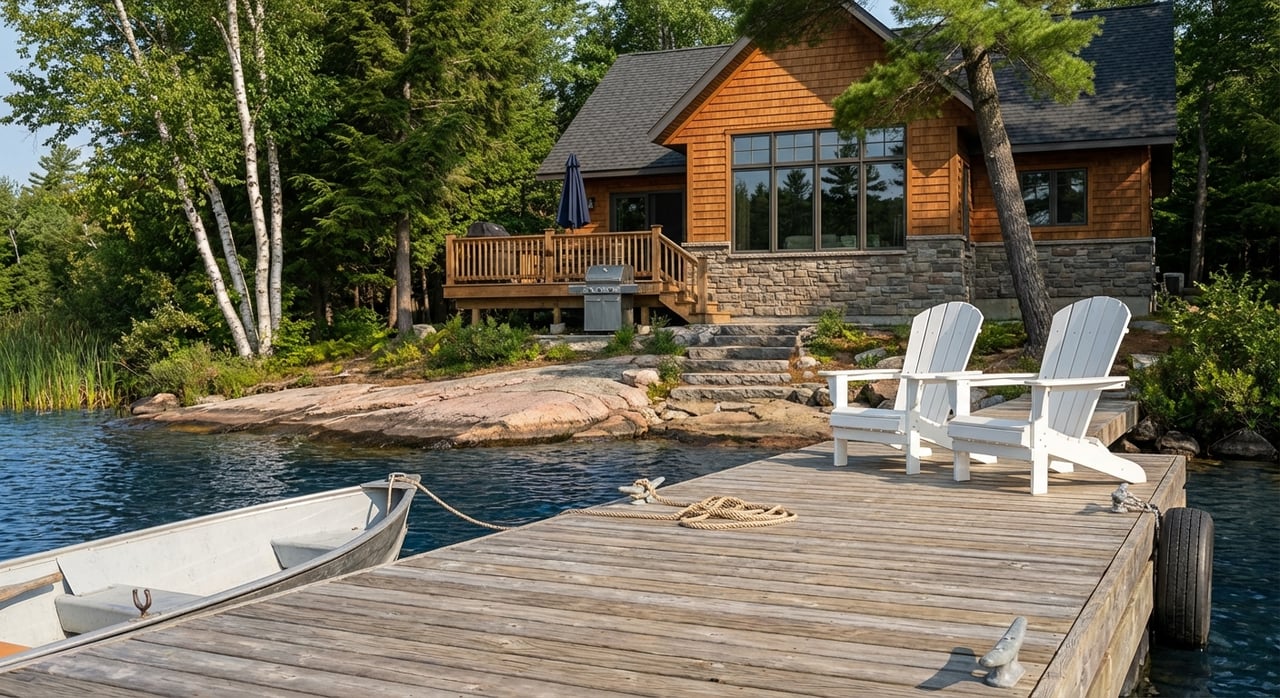
- Stage the arrival: Clear the landing, add safe lighting, secure handrails, and tidy the path to the cottage. Hero photos and video should capture the boat approach and arrival. Waterfront design resources highlight how the dock experience adds value, which is why your “arrival” matters so much to buyers. See examples of waterfront features that add value.
- Use pro transport: For showings, consider a licensed captain or water-taxi. Provide lifejackets, a short safety briefing, and clear directions. Using established operators aligns with common best practices in the area and helps reduce risk, just as public services do for island visitors.
Pricing, financing, and timing
Financing can be different for water-access properties. Seasonal or boat-only cottages may be reviewed more conservatively by lenders and can require larger down payments.
- Encourage buyers to pre-qualify with a lender that understands recreational properties. Major banks publish guidance on secondary homes, like this overview of cottage and secondary home financing.
- Market segmentation is real. Luxury waterfronts often see steadier activity, while volume in lower tiers can vary. Align pricing with your lake, access type, and dock quality, and set expectations on days-on-market with a cottage specialist.
- List in-season when you can. Spring through early summer is the traditional peak window, with late summer and early fall also active for clear-water showings.
Build a complete property binder
A clean, organized binder builds trust and speeds up offers. Include:
- Title and survey, plus any easements or rights-of-way for access and docking.
- Dock, boathouse, and shoreline permits or approvals, including any provincial or federal authorization letters and conditions.
- Septic permits, pump-out receipts, and municipal inspection reports.
- Water source notes and recent lab results if available.
- Manuals and service records for mechanical systems, water treatment, and generators.
- Showing logistics: launch locations, water-taxi contact, parking rules, and typical boat time.
Provide a printed binder on-site and a digital version for buyers and their lawyers.
12 to 24 month prep timeline
0 to 3 months: quick wins
- Gather core documents: title, survey, septic receipts, and all dock or shoreline permits.
- Fix obvious dock and safety issues. Declutter landing areas and clear paths.
- Book professional media early. Reserve dates for still photography and drone scouting while the light and foliage are at their best. For luxury listings, plan a 3D tour or video that includes the boat approach. See tips on premium assets and planning in this guide to elevated listing presentation.
3 to 6 months: compliance checks
- If you plan dock, crib, or shoreline work, confirm whether you need provincial, federal, and municipal approvals. Submit applications early since approvals can take time. Start with Ontario’s work permit guidance and cross-check with Transport Canada and DFO if needed.
- If your septic is older or flagged under SSMIP, plan any recommended work and collect invoices. Keep pump-out schedules current. Review the SSMIP overview.
6 to 12 months: marketing and strategy
- Finalize pricing with a waterfront specialist who understands your lake, access type, and buyer pool.
- Prepare a polished marketing package: pro stills, drone, and a video or 3D tour that shows arrival and waterfront living.
- Line up showings logistics, including a water-taxi partner if helpful.
12 to 24 months: larger projects
- If a major boathouse repair or shoreline remediation is needed, complete it before listing if time and budget allow. If not, gather permits and contractor quotes and present a clear plan in your binder to maintain buyer confidence.
Marketing that moves island buyers
Your media needs to answer two questions fast: How do I get there, and what does life feel like once I arrive?
- Use aerials to show proximity to marinas and the mainland.
- Capture the dock as a primary hero shot at flattering light.
- Include a seamless video sequence that follows the boat approach, landing, and walk to the cottage.
- Keep copy clear about access, docking, utilities, and seasonal routines.
Work with a waterfront specialist
Island sales reward preparation. A specialist team can help you verify permits, organize documentation, stage the dock and arrival, plan safe, efficient boat-in showings, and market your cottage to qualified buyers on the right channels. If you are thinking 12 to 24 months ahead, you can protect value and make the process feel simple.
If you would like a tailored plan for your cottage, reach out to Bryan Coxworth for a complimentary valuation and marketing strategy.
FAQs
What makes selling a Georgian Bay island cottage different from mainland sales?
- Water access, dock safety, permits for in-water structures, and boat-in showing logistics add steps that mainland sales do not require.
Which permits matter for my dock or boathouse in Muskoka?
- Provincial Crown land rules, Transport Canada navigation rules, DFO fish habitat protections, and local township bylaws can all apply. Start with Ontario’s work permit guidance and your township’s dock rules.
How should I prepare for boat-in showings on Georgian Bay?
- Provide clear launch points, a recommended water-taxi, parking details, lifejackets, and an easy path from dock to cottage. Stage the dock as you would an entryway and capture it in your marketing.
What septic documents do buyers expect in the Township of Muskoka Lakes?
- Pump-out receipts, permits, and any inspection reports under the Sewage System Maintenance Inspection Program, plus any recent service invoices.
How do lenders view financing for boat-only island cottages?
- Many lenders treat seasonal or boat-only properties more conservatively and may require larger down payments. Encourage pre-qualification with lenders familiar with recreational properties, such as those providing secondary home financing guidance.
When is the best time to list an island cottage in Muskoka?
- Spring to early summer is most active, with late summer and early fall also strong for on-water showings. Align timing with your cottage’s readiness and market segment.